
27/09/2025
Exploring natural compunds
The search for effective cancer treatments has long involved the exploration of both synthetic and natural compounds. While synthetic drugs have proven to be powerful tools, their development can be complex and they often carry the risk of adverse side effects. This has led researchers to increasingly focus on natural compounds, particularly those derived from plants. These plant-based substances, or phytochemicals, are gaining attention for their general safety, cost-effectiveness, and availability.
A significant portion of anticancer drugs developed since the 1940s are non-synthetic, with a notable percentage originating from natural sources. This highlights the important role that nature plays in medicinal discovery.
The Salvia Genus and Its Compounds
Among the numerous plants studied, the Salvia genus stands out. Commonly known as sage, this genus comprises nearly 1,000 species. Its name is derived from the Latin word “salvare,” meaning “to heal,” a testament to its long history in traditional medicine. These plants are known for containing various beneficial compounds, including flavonoids and terpenoids, which have been utilized for centuries in both culinary and medicinal practices.
Two species within the genus are particularly noteworthy for their potential in cancer research:
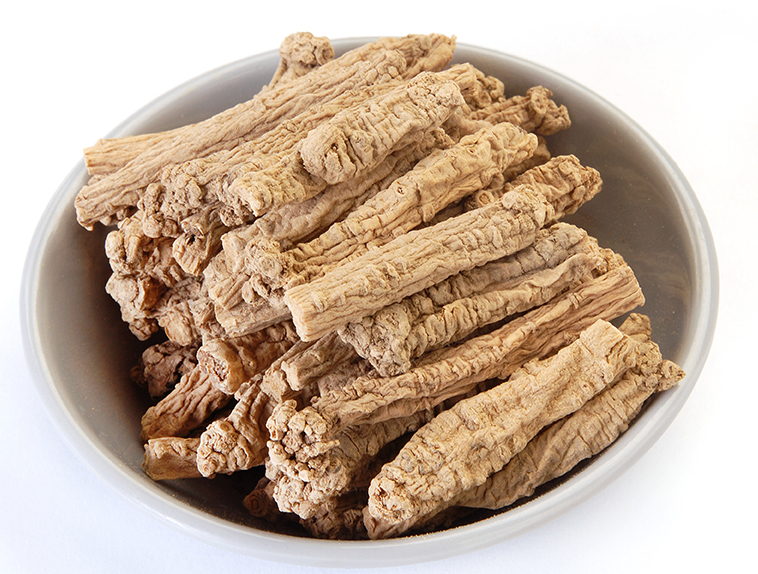
- Salvia miltiorrhiza: Known as Danshen, this species has a rich history in Asian traditional medicine for treating cardiovascular conditions. It contains a class of compounds called tanshinones, which are currently the subject of extensive scientific investigation for their potential medicinal properties.
- Salvia officinalis: This species, widely known as common sage, is a staple in European cuisine and medicine. Its leaves contain a high concentration of essential oils and have been linked to a variety of health benefits, including potential anticancer effects.
Beyond these well-known species, many other members of the Salvia genus are being explored for their potential to combat cancer. The growing body of research suggests that Salvia plants are a valuable source of compounds with potential anticancer properties. Further research is ongoing to understand the mechanisms by which these phytochemicals function at a cellular level, offering a promising avenue for the development of new treatments.